

Best overall research target: Munich Re. Best for life-insurance modeling: MetLife. Best for actuarial consulting: Milliman. This 2026 guide to insurance firms hiring quantitative analysts ranks employers by the work you want to do—not by assumed vacancies or the prestige of the company name.
- For insurance firms hiring quantitative analysts, start with Munich Re for reinsurance modeling and MetLife for life-insurance work.
- Milliman is the strongest starting point here for candidates targeting actuarial consulting rather than an insurer's internal team.
- Search actuarial analyst, catastrophe modeling, investment risk, and model validation alongside quantitative analyst.
- QuantMinds is best suited to candidates preparing for hedge-fund and prop-trading careers, not choosing an actuarial employer.
Why this matters
Insurance quantitative work is not a single career track. Pricing claims, modeling catastrophic losses, valuing liabilities, and analyzing investment risk require different evidence on your resume. A search restricted to the title quantitative analyst misses those distinctions.
Choose the modeling problem before you choose the employer. An actuarial position is not automatically a trading-research position with a different company logo. Read the responsibilities, exam requirements, and intended use of the model before deciding whether the role fits.
QuantMinds provides quant finance career coaching, resume review, interview preparation, and 1-on-1 coaching for candidates targeting hedge funds and prop trading firms. That matters if insurance is part of your route toward trading; it does not make the firm an insurance employer or an actuarial recruiting agency.
The employers below are research targets for your 2026 search. The ranking describes established business areas, not a dated list of open requisitions.
What makes the best insurance quant employer?
Use these criteria to audit the ranking—and any job description you find:
- Modeling problem: Identify whether the work concerns claims, mortality, catastrophe losses, capital, or investments.
- Technical ownership: Look for responsibility for building, validating, or maintaining models, rather than reporting results alone.
- Credential fit: Separate actuarial exam requirements from requirements for programming, statistics, or financial engineering.
- Business proximity: Identify who uses the analysis: underwriters, investment teams, risk managers, or consulting clients.
- Career direction: Match the work to your intended next role, not merely your current degree.
Do not treat these criteria as interchangeable. Strong programming skills do not replace a required actuarial credential, and actuarial progress does not demonstrate the research or engineering skills requested by every non-actuarial team.
Insurance and actuarial employers at a glance
| Rank | Employer | Best for | Standout business area | Key limitation to check |
|---|---|---|---|---|
| 1 | Munich Re | Reinsurance and tail-risk modeling | Reinsurance and insurance risk | Insurance-domain knowledge matters alongside mathematics |
| 2 | MetLife | Life-insurance liability modeling | Life insurance and employee benefits | Actuarial and investment positions follow different requirements |
| 3 | Milliman | Actuarial consulting | Consulting across insurance and financial risk | Client delivery is part of the work |
| 4 | Swiss Re | Catastrophe and exposure modeling | Reinsurance and catastrophe risk | Hazard and exposure knowledge differs from market research |
| 5 | Travelers | Property-casualty pricing analytics | Commercial and personal insurance | Pricing work is not securities research |
| 6 | Prudential Financial | Insurance-linked investment risk | Insurance and investment management through PGIM | Business-unit selection determines the relevant career track |
| 7 | WTW | Insurance consulting with broader risk exposure | Insurance consulting and risk advisory | The company name alone does not identify the technical work |
This table is a decision tree, not a claim that one employer has better compensation, interview odds, or working conditions. Those questions require evidence about the specific team and position.
1. Munich Re: best insurance quant target for reinsurance modeling
Munich Re is a reinsurer with insurance operations. Its business makes it a relevant research target if you want to understand how uncertain losses accumulate across portfolios and how risk is transferred between insurers.
Start with reinsurance analytics, actuarial modeling, and risk-related descriptions. Separate a model-building position from a role centered on underwriting support or recurring reporting.
Munich Re pros:
- Clear connection between probability and insurance risk.
- Reinsurance provides a setting for portfolio-level loss analysis.
- Relevant business context for candidates interested in extreme outcomes.
Munich Re cons:
- Mathematical preparation alone does not establish insurance knowledge.
- Reinsurance work is not the same as developing trading signals.
Best for: Candidates who want insurance risk itself to be the subject of their quantitative work.
Verdict: Pursue Munich Re for reinsurance modeling; skip it as a substitute for trading research.
2. MetLife: best insurance quant target for life liabilities
MetLife operates in life insurance and employee benefits. It belongs on your shortlist if you want to connect quantitative analysis to long-term obligations, mortality assumptions, and insurance risk.
Read actuarial and investment-related descriptions separately. A role involving liabilities, an asset-liability position, and an investment analyst position are not interchangeable application targets.
MetLife pros:
- Direct business connection to life-insurance liabilities.
- Relevant context for mortality and long-horizon modeling.
- Useful target for candidates combining actuarial and financial interests.
MetLife cons:
- An actuarial track carries different credential expectations from investment work.
- An insurance analyst title does not establish responsibility for developing models.
Best for: Candidates drawn to life-insurance valuation and liability analysis.
Verdict: Pursue MetLife when long-term insurance obligations interest you more than short-horizon market prediction.
3. Milliman: best actuarial firm for consulting work
Milliman is an actuarial and consulting firm serving insurance and other sectors. It is a distinct choice from joining an insurer: your analysis supports consulting engagements rather than only an internal insurance business.
Choose the practice before submitting an application. Life, health, property-casualty, and financial-risk work require different subject knowledge and project evidence.
Milliman pros:
- Actuarial analysis is central to the firm's business.
- Different practices provide distinct insurance-specialty targets.
- Consulting work gives quantitative analysis a client-facing purpose.
Milliman cons:
- Communicating findings is part of the job, not an optional extra.
- Suitability depends on the practice, not the firm name alone.
Best for: Candidates who want actuarial consulting and can explain technical conclusions clearly.
Verdict: Pursue Milliman for consulting; skip a generic application that ignores the practice.
4. Swiss Re: best insurance quant target for catastrophe risk
Swiss Re is a reinsurer whose business includes property-casualty risk. It is a relevant target for candidates interested in catastrophe modeling, exposure analysis, and the financial consequences of physical hazards.
Focus on the particular modeling function. Hazard modeling, exposure-data analysis, actuarial pricing, and financial risk are related, but each asks a different question.
Swiss Re pros:
- Reinsurance connects catastrophe losses to financial decisions.
- Relevant business setting for exposure and tail-risk analysis.
- A clear research target for candidates interested in physical-risk problems.
Swiss Re cons:
- Catastrophe work requires domain knowledge beyond generic statistics.
- Physical-risk modeling does not demonstrate market-modeling experience by itself.
Best for: Candidates interested in how hazards and insured exposures produce losses.
Verdict: Pursue Swiss Re for catastrophe and exposure work, not simply because the role contains the word risk.
5. Travelers: best insurance quant target for pricing analytics
Travelers provides property-casualty insurance across commercial and personal lines. Its business is a useful starting point if you want quantitative work connected to claims, pricing, and underwriting decisions.
Distinguish pricing-model development from business reporting. Both support an insurer, but they provide different technical experience and demand different project examples.
Travelers pros:
- Clear business connection between claims analysis and pricing.
- Property-casualty insurance provides concrete statistical problems.
- Relevant target for candidates interested in underwriting analytics.
Travelers cons:
- Insurance pricing experience is not automatically investment research experience.
- A broad analytics title does not guarantee model-development responsibility.
Best for: Candidates who want to apply statistics to property-casualty pricing.
Verdict: Pursue Travelers for pricing analytics; hold applications that do not clarify technical ownership.
6. Prudential Financial: best target for insurance-linked investment risk
Prudential Financial combines insurance businesses with investment management through PGIM. That distinction makes it a relevant research target for candidates interested in investments as well as insurance liabilities.
Select the business unit first. An insurance actuarial position and an investment-management position can sit within the same corporate group while requiring substantially different preparation.
Prudential Financial pros:
- Insurance and investment management are both established business areas.
- Relevant target for investment-risk and liability-related interests.
- Business-unit research helps separate possible career directions.
Prudential Financial cons:
- The parent-company name does not identify the work you will perform.
- Investment relevance must come from the position's responsibilities.
Best for: Candidates seeking investment-related quantitative work within an insurance-linked group.
Verdict: Pursue Prudential Financial after choosing the business unit; skip group-wide applications without a role thesis.
7. WTW: best actuarial target for broader risk consulting
WTW provides insurance consulting and broader risk advisory services. It belongs on this list for candidates who want to connect quantitative insurance analysis with advice to organizations.
Look closely at the consulting practice and deliverables. Actuarial modeling, insurance advisory, and other risk-related work are not one technical career track.
WTW pros:
- Insurance consulting is an established part of the business.
- Risk advisory gives analysis a practical decision-making context.
- Relevant target for candidates comfortable presenting recommendations.
WTW cons:
- Different practices require different technical and industry knowledge.
- Consulting responsibilities extend beyond coding and model fitting.
Best for: Candidates seeking insurance consulting within a broader risk-advisory setting.
Verdict: Pursue WTW for a defined consulting practice; skip applications based only on a broad risk label.
How the employers are ranked
Munich Re is the default research target because reinsurance directly matches the insurance-risk focus of this guide. The remaining employers each own a distinct use case: life liabilities, actuarial consulting, catastrophe exposure, pricing, investment risk, or broader advisory.
The 2026 ranking uses business fit and the criteria above. It does not rank current hiring volume, compensation, recruitment speed, or employee experience.
Turn the shortlist into a targeted application
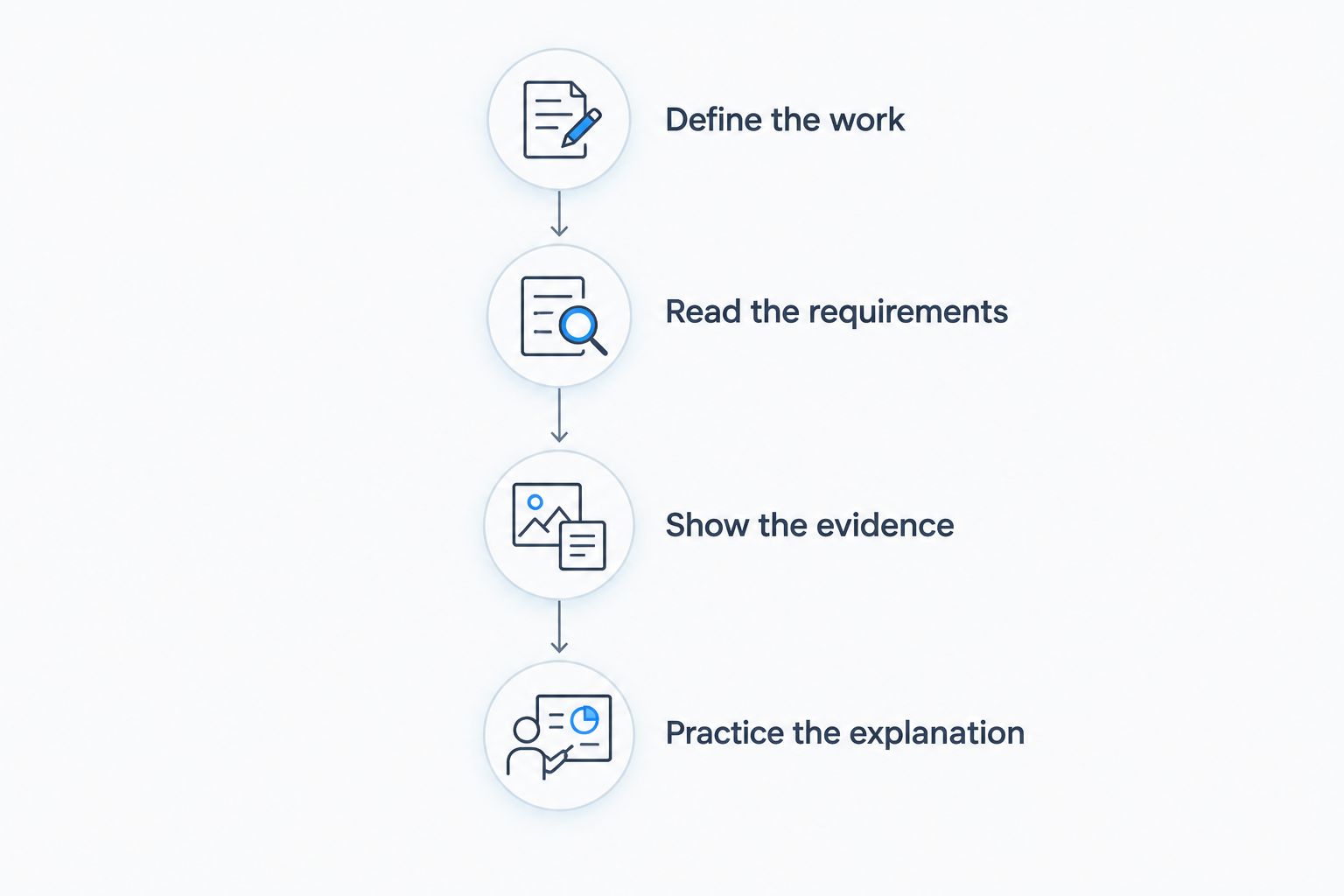
A recognizable company name is not an application strategy. For your 2026 search, use the following sequence before rewriting your resume or starting interview practice.
Define the work
Choose the problem you want to solve: pricing, liabilities, catastrophe losses, or investments. Write a plain-language sentence explaining why that problem interests you. If your answer is only that you like mathematics, the target is still too broad.
Read the requirements
Separate mandatory qualifications from preferred ones. Identify actuarial exam expectations, programming requirements, domain knowledge, location, and work authorization. Do not assume an MFE substitutes for an explicitly required qualification.
Show the evidence
Build a 1-page resume around relevant evidence rather than a list of tools. Prepare 3 project artifacts: a reproducible analysis, a validation summary, and a short explanation of the business decision. These are preparation recommendations, not employer-mandated submission rules.
Practice the explanation
Prepare a 2-minute explanation of one project: question, data, method, validation, and limitation. Then practice defending the assumptions. For insurance work, explain what a modeling error would change in the decision—not just which algorithm you used.
If your destination is trading rather than insurance, review the guidance on actuaries transitioning into quant trading. QuantMinds quant finance career coaching focuses on hedge-fund and prop-trading applications; keep that destination separate from actuarial recruitment.
Which employer should you choose?
Start with Munich Re if you want insurance-risk modeling and have not chosen a specialty. Choose MetLife for life liabilities, Milliman for actuarial consulting, Swiss Re for catastrophe exposure, Travelers for pricing, Prudential Financial for insurance-linked investment work, and WTW for broader risk consulting.
For a 2026 application, the decisive evidence is the actual job description. Reject a role that conflicts with your intended work even when the employer's name looks impressive on a resume.
FAQ
What's the best starting point among insurance firms hiring quantitative analysts?
Munich Re is the default research target in this guide for candidates interested in reinsurance and insurance-risk modeling. Choose a different employer when your goal is specifically life liabilities, consulting, pricing, or investment work.
Are these confirmed open quantitative analyst jobs in 2026?
No. This is a 2026 employer shortlist based on established business areas, not a list of open positions. Check the employer's current job description before preparing an application.
What job titles should I search besides quantitative analyst?
Search actuarial analyst, pricing analyst, catastrophe modeling, model validation, investment risk, and asset-liability management. Judge each result by its responsibilities and qualifications, because those titles describe different types of work.
Do I need actuarial exams for an insurance quantitative role?
Actuarial exam requirements depend on the position. Read the qualification section rather than assuming every insurance analytics or investment role follows an actuarial credential track.
Is Milliman better than an insurer for an actuarial career?
Milliman is the better starting point in this guide if you want actuarial consulting. An insurer is the more direct target if you want analysis centered on its own insurance business; neither choice is universally better.
Can insurance modeling experience help me move into quant trading?
Insurance modeling provides relevant mathematical experience, but it does not by itself demonstrate trading-research ability. Show the market knowledge, research validation, or engineering skills requested by the trading position.
Can QuantMinds help me prepare for a move into trading?
QuantMinds provides resume review, interview preparation, and 1-on-1 coaching for candidates targeting quantitative research, trading, and development roles at hedge funds and prop trading firms. Its stated focus is those careers, not actuarial recruitment.
One last thing
Before applying, write the decision your future model would support. Pricing a policy, estimating catastrophe losses, valuing liabilities, and managing investment risk are different answers.
If you cannot name that decision, keep researching the role. That sentence will improve your employer shortlist, your project selection, and your answer to why you want the job.