

Yes—a quant career allows for good work-life balance when the team's working hours, production responsibilities, and performance expectations fit your life. The catch is that a predictable finish time does not guarantee low stress: assess the specific job, not the reputation of quantitative finance as a whole.
- Quant career work life balance depends on team responsibilities, not the quant title alone.
- Compare quantitative research, trading, and development by market coverage, deadlines, and production support.
- Ask for recent examples of evening work, weekend interruptions, and vacation coverage before accepting an offer.
- QuantMinds career coaching suits candidates seeking help positioning themselves for quantitative research, trading, or development roles.
Does a quant career allow for good work-life balance?
Yes, but choose the team before you choose the lifestyle you expect from it. Quantitative research, trading, and development involve different responsibilities, and those responsibilities matter more than a broad promise about culture.
For your 2026 search, separate working time from pressure. The guide to whether a quant researcher job is stressful addresses a related question, but stress and schedule predictability are not interchangeable.
| Role | Best for | Work-life balance consideration | Trade-off to investigate |
|---|---|---|---|
| Quantitative research | Candidates who enjoy statistical investigation and uncertain results | Ask how research deadlines and live strategy responsibilities affect the working day | Research autonomy does not remove pressure to produce useful results |
| Quantitative trading | Candidates who enjoy market-facing decisions and immediate feedback | Ask which markets, sessions, and handovers the role covers | Defined market sessions do not establish when preparation or monitoring ends |
| Quantitative development | Candidates who enjoy building research tools and trading systems | Ask whether the position includes production support and incident response | A development role is not automatically free of after-hours responsibilities |
These are responsibility-based comparisons, not promises about every employer. A job description tells you the category; conversations with the people doing the work reveal the operating expectations.
Why this matters
You are choosing more than technical subject matter. A job that conflicts with caregiving, health, or other commitments is a poor fit even if the research is interesting.
Define good balance before interviewing. You might need reliable evenings, control over your start time, uninterrupted vacation, or freedom from urgent weekend messages. Those are different requirements, so ask about each one separately.
For a 2026 job decision, write down your non-negotiable constraints before an offer arrives. That gives you a standard for evaluating the opportunity rather than trying to justify it afterward.
Quantitative research: check autonomy and accountability
Quantitative research involves developing and evaluating ideas, but the title alone does not establish how independently you work. Ask who sets research priorities, how projects receive resources, and what happens when an idea fails to hold up.
Best for candidates who enjoy investigation and can tolerate uncertain outcomes. The attraction is substantive analytical work; the trade-off is that effort and useful results are not the same thing.
Establish whether the role stops at research delivery or continues into live implementation and monitoring. Ask who handles data problems, unexpected model behavior, and questions from traders or portfolio managers.
Useful questions include:
- What distinguishes a research deadline from an urgent production problem?
- Who takes over when the researcher responsible for a live strategy is away?
- How does the manager evaluate a well-executed project that produces a negative result?
Do not treat freedom over research methods as proof of freedom over your schedule. Confirm both.
Quantitative trading: check market coverage and handovers
A trading role connects your work to the markets and strategies the team trades. Establish exactly which sessions you cover and what preparation, monitoring, and review sit outside those sessions.
Best for candidates who enjoy fast feedback and market-facing responsibility. The appeal is direct engagement with trading decisions; the trade-off is accountability for decisions and outcomes under time pressure.
Ask whether responsibility passes cleanly to another person at the end of your coverage. A stated end time means less if you remain the default contact for unresolved positions or system issues.
Distinguish discretionary follow-up from required availability. Reading about markets because you enjoy it is different from being expected to monitor messages throughout your evening.
Before choosing a trading position in 2026, ask the team to describe a difficult session and what happened afterward. A concrete account is more useful than an assurance that people work hard and enjoy flexibility.
Quantitative development: check production ownership
Quantitative development covers work on tools, infrastructure, and systems used in research or trading. The balance question is not simply whether you write code; it is what you own when that code reaches production.
Best for candidates who enjoy engineering and clearly defined technical problems. The benefit is the opportunity to build systems people use; the trade-off to investigate is responsibility for releases, failures, and recovery.
Ask whether the team has an on-call arrangement, how support is shared, and who decides whether a problem requires immediate attention. Also establish whether research tooling and live trading infrastructure have different support expectations.
A flexible development schedule needs a clear escalation process. Otherwise, nominal flexibility leaves you uncertain about when you can disconnect.
If you are moving from software engineering, compare operational responsibilities directly with your current position. Do not assume that moving into finance changes them in either direction.
Why quant career work life balance varies
The strongest assessment starts with the work the team must cover. Use these factors to organize your questions rather than trying to infer balance from an employer's name.
- Market coverage: Which trading sessions and time zones require your participation? Establish whether coverage rotates or belongs permanently to the role.
- Production ownership: Who responds when a model, data feed, or trading system fails? Separate shared support from personal responsibility.
- Research expectations: How are priorities, deadlines, and unsuccessful projects handled? Ask what a reasonable research process looks like to the manager.
- Team coverage: Who takes over during vacation, sickness, or an unexpected absence? Request an explanation of the actual handover process.
- Manager expectations: What requires an immediate reply, and what waits until the next working day? An explicit rule gives you something concrete to evaluate.
- Deadline concentration: Which events create unusually demanding periods? Ask how the team plans for them and restores normal working patterns afterward.
Treat these as separate dimensions. A position can offer predictable attendance while requiring intense concentration, or flexible attendance while leaving after-hours availability unclear.
How do you check a quant team's work-life balance?
For a 2026 offer, use a short evidence-gathering process rather than a generic culture question. Your objective is to understand an ordinary week, an exceptional week, and the boundary between them.
1. Define your constraints
Write down what must be predictable. Include travel, commuting, family responsibilities, and whether you need to be unreachable outside agreed working periods.
Separate preferences from requirements. You can negotiate a preference; a role that conflicts with a genuine requirement needs a different arrangement or a different decision.
2. Compare accounts
Aim for 3 conversations: one with the hiring manager, one with a prospective teammate, and one with the recruiter. This is a suggested due-diligence structure, not a guarantee that every process provides access to all three.
Ask each person how work enters the team, who handles urgent issues, and what happens when someone is away. Different perspectives are useful; unresolved contradictions need follow-up.
3. Request recent examples
Ask for 2 recent examples: an ordinary working week and an unusually demanding one. Ask what caused the difference, who stayed involved, and whether the situation was exceptional or recurring.
Do not demand confidential trading details. You need the operating pattern, not information about positions, strategies, or proprietary systems.
4. Confirm expectations
Prepare 1 written summary of your understanding before accepting. Cover attendance, market coverage, production support, and escalation outside the working day.
Send it as a request for confirmation, not as a claim that informal conversations create a contractual guarantee. If an expectation is essential to your decision, ask how it will be documented.
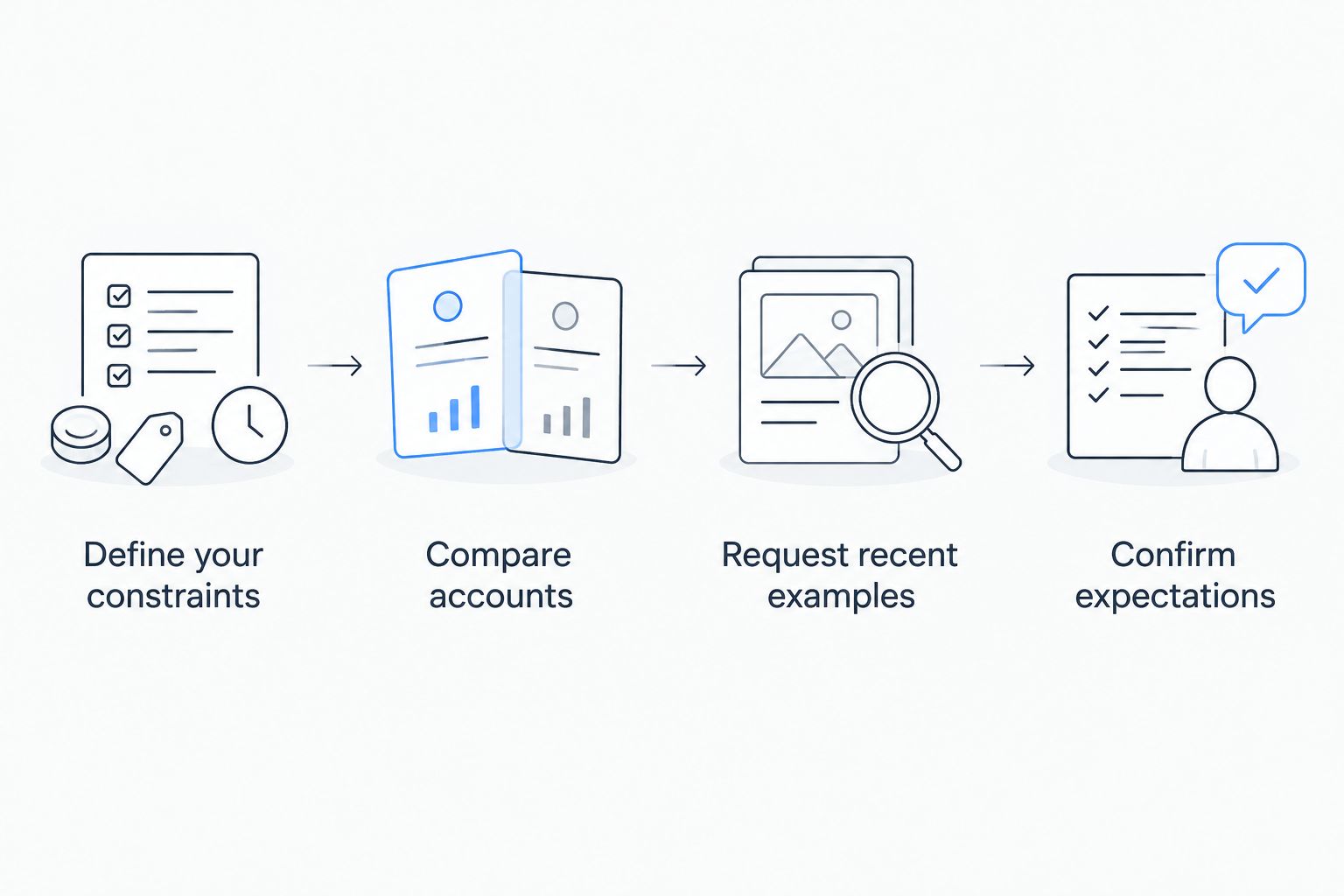
Your strongest evidence is agreement about specific situations. A manager and teammate who describe the same escalation process give you a clearer basis for deciding than repeated assurances about flexibility.
What should you ask without sounding uncommitted?
Ask how the work gets done. You do not need to apologize for wanting to understand the responsibilities attached to a position.
Replace a broad question about easy hours with questions about coverage, handovers, and priorities. For example, ask who handles an issue discovered after your scheduled coverage ends, or how the team protects focused research time when urgent requests arrive.
Show that you understand accountability while asking where it ends. That is a more useful conversation than trying to persuade an interviewer that work-life balance and ambition are compatible.
When you receive a vague answer, request an example. When you receive conflicting answers, describe the difference neutrally and ask which expectation applies to the role you are considering.
Avoid turning the interview into a negotiation before you understand the job. First establish the responsibilities; then discuss whether the proposed arrangement fits your constraints.
Is remote quant work better for work-life balance?
Remote work removes a commute, but it does not establish working hours or limits on availability. A remote role still needs explicit expectations for market coverage, meetings, and urgent support.
Check location requirements separately from schedule requirements. Permission to work from home does not answer whether you must remain available across multiple time zones.
For your 2026 shortlist, record remote eligibility, required availability, and after-hours responsibility as separate fields. That prevents a desirable location policy from obscuring an unsuitable working pattern.
Is quant research better than trading for work-life balance?
Neither title establishes better balance on its own. Compare the research team's deadlines and live responsibilities with the trading team's coverage and handover arrangements.
Choose the work you can sustain, not the label that sounds calmer. If uncertain research outcomes drain you more than market-facing decisions, a research title does not solve the underlying fit problem.
Where career coaching fits
QuantMinds is best for candidates seeking career coaching for quantitative research, trading, and development roles. The firm offers resume review, interview preparation, and 1-on-1 coaching, and was founded by a former UC Berkeley MFE program executive director.
Use QuantMinds career coaching to work on your candidacy, while keeping employer due diligence separate. Coaching supports preparation; it does not establish a prospective team's hours or guarantee a suitable working arrangement.
Bring a clear target role and your constraints to the conversation. That keeps preparation connected to the jobs you actually want rather than treating any quant offer as the objective.
FAQ
Can I have a family and work in quantitative finance?
A quant career can fit family responsibilities when the role's schedule and coverage expectations fit your needs. Ask about predictable availability, urgent interruptions, and how the team handles absences before accepting.
Do all quants work late every night?
A quant title does not establish a nightly working schedule. Ask the specific team about ordinary finish times, exceptional periods, and required availability after leaving work.
Do quant researchers have to work weekends?
Weekend responsibilities depend on the position's research, release, and production duties. Ask whether weekend work is scheduled, exceptional, or part of an ongoing support arrangement.
Is quantitative development better for work-life balance than trading?
Quantitative development is not automatically better for work-life balance than trading. Compare development incident response and release duties with trading coverage and handover requirements.
Will working remotely make a quant job less stressful?
Remote work does not remove research uncertainty, trading accountability, or production responsibility. Assess location flexibility separately from workload, expectations, and the ability to disconnect.
How do I ask about work-life balance in a quant interview?
Ask about coverage, handovers, urgent issues, and a recent demanding week. These questions establish how the team operates without relying on a vague description of its culture.
Can QuantMinds guarantee a quant job with good work-life balance?
No career-coaching service can establish an employer's day-to-day working conditions. QuantMinds offers resume review, interview preparation, and 1-on-1 coaching; confirm working expectations directly with the prospective team.
One last thing
Ask what happens when someone takes vacation. The answer tests several promises at once: whether ownership is shared, whether handovers work, and whether time away actually means being unavailable.
Choose a team that can explain its boundaries, not just praise its flexibility. Before accepting a 2026 offer, make sure you understand who owns the work when you are not there.